How to produce cutting disc
Manufacturing Method and Procedure of Resin Cutting Discs
Resin cutting discs (general-purpose & reinforced type) follow a standard production process divided into six major stages: Raw Material Preparation → Mixing → Molding → Curing → Post-Processing → Inspection & Packaging.
1. Core Raw Materials (General Formula)
- Abrasive: Brown fused alumina, white fused alumina, silicon carbide (conventional); Diamond/CBN (superabrasive)
- Binder: Powder phenolic resin (main binder) + Liquid phenolic resin (wetting & adhesion)
- Reinforcing Mesh: Fiberglass mesh cloth (double-layer/single-layer for flexural strength)
- Filler: Iron oxide, iron sulfide, cryolite, gypsum, calcium carbonate (adjust hardness, heat dissipation and self-sharpening performance)
- Auxiliaries: Hexamine (curing agent), stearic acid, coupling agent, pigment powder
Typical Weight Proportion
- Abrasive: 100
- Powder phenolic resin: 12~18
- Liquid phenolic resin: 3~6
- Filler: 5~15
- Fiberglass mesh: 2 layers (Φ100~400mm)
2. Detailed Production Procedures (Industrial Hot Press / Semi-Hot Press Process)
2.1 Raw Material Preprocessing & Weighing
- Dry and screen abrasives to remove impurities and control particle size
- Keep resin and fillers dry and moisture-proof
- Precisely proportion raw materials with electronic scale (allowable error ≤±0.5%)
2.2 Material Mixing (Key for Uniformity, No Agglomeration)
- Dry Mixing: Mix abrasive, resin powder and filler in a 3D mixer for 10~15 minutes
- Wet Mixing: Add liquid phenolic resin / wetting agent, continue mixing for 15~25 minutes
- Maturing: Seal and stand the mixed material for 4~8 hours to fully wet abrasives with resin
- Sieving: Sift through 16~24 mesh to break up lumps for standby use
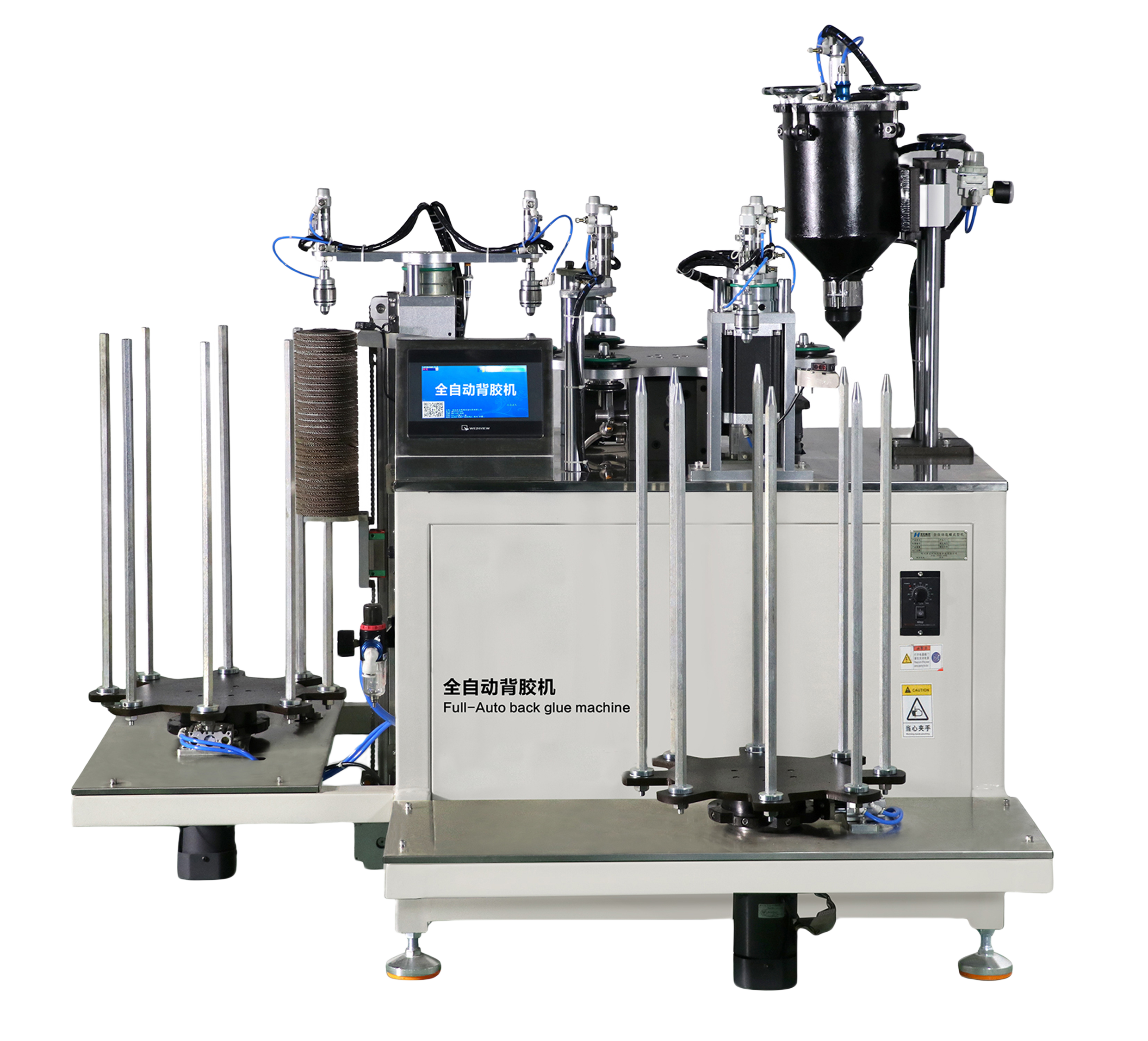
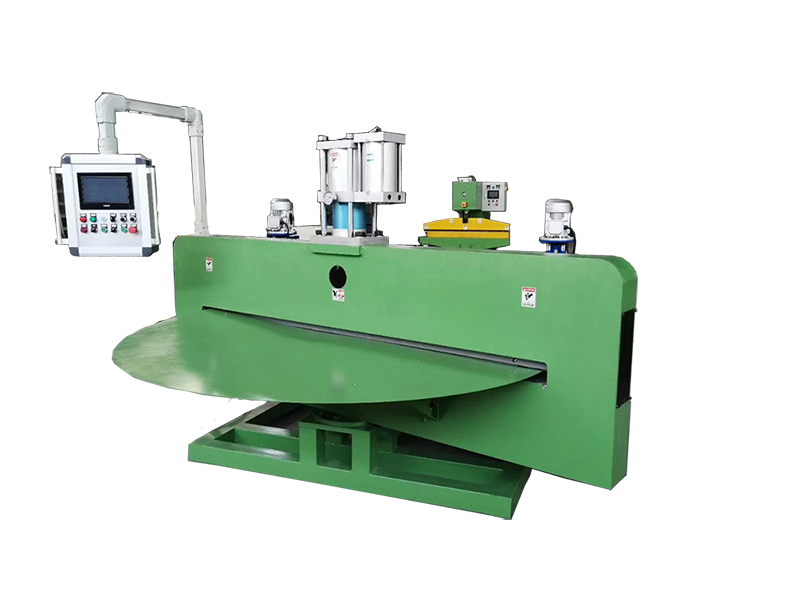
2.3 Compression Molding (Mainstream: Semi-Hot Press / Hot Press)
Mold: Steel mold (fixed outer diameter, inner diameter and thickness)
Process Parameters:
- Temperature: 50~70℃ (semi-hot press) / 80~100℃ (hot press)
- Pressure: 150~300kg/cm²
- Pressure holding time: 15~40 seconds (depends on thickness)
Molding Steps
- Preheat the mold and spray release agent
- Spread bottom material → place the first layer of fiberglass mesh
- Spread middle material → place the second layer of fiberglass mesh
- Spread top material → install center ring / steel ring
- Mold closing & hot pressing → pressure holding and pressure relief → green disc demolding
2.4 Curing (Hardening / Heat Setting)
- Equipment: Oven / curing furnace with step heating curing
- Standard 24-hour curing curve:
- Room temperature to 80℃: 2h
- Constant temperature at 80℃: 4h
- 80℃ to 150℃: 3h
- Constant temperature at 150℃: 8h
- 150℃ to 180℃: 2h
- Constant temperature at 180℃: 4h
- Cool naturally to room temperature
- Function: Realize resin cross-linking and curing to meet strength and hardness standards
2.5 Post-Processing
- Surface grinding & thickness trimming: Control thickness tolerance ±0.05~0.1mm
- Chamfering: Inner and outer circle chamfering to prevent edge chipping and reduce vibration
- Dynamic balancing: Weight removal correction (essential for high-speed cutting)
- Printing: Mark specifications, safety lines and brand logo
2.6 Inspection & Packaging
- Appearance inspection: No cracks, missing corners or exposed mesh
- Dimensional inspection: Outer diameter, inner diameter and thickness
- Performance test: Rotation test & bending strength test
- Hardness and sharpness: Sampling cutting verification
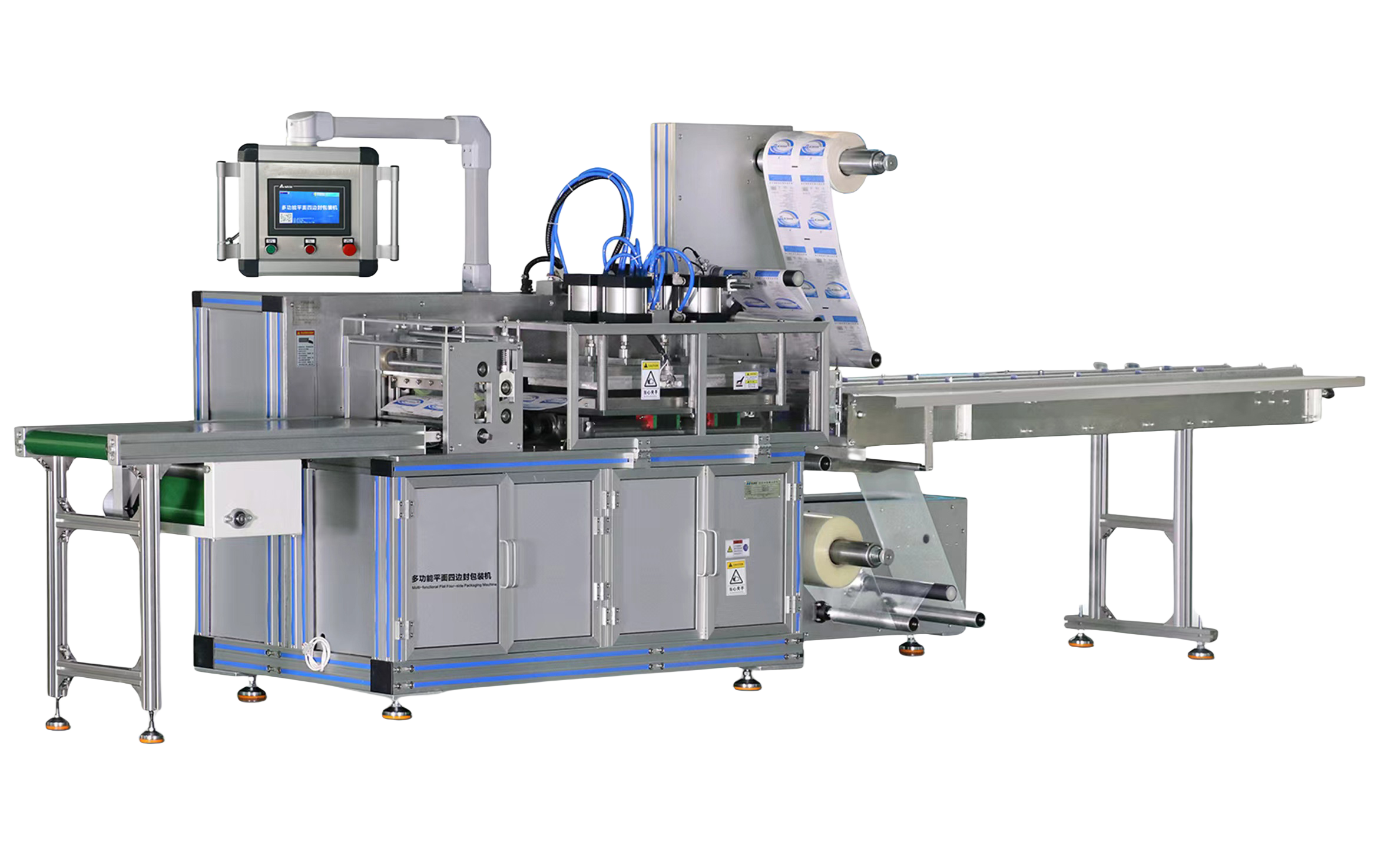
- Qualified products → moisture-proof packaging → warehousing
3. Comparison of Three Molding Processes
| Process | Temperature | Application | Features |
|---|
| Cold Press | Room temperature | Thin & small-size discs | Simple equipment, low efficiency |
| Semi-Hot Press | 50~65℃ | General reinforced discs | Good fluidity, fast molding, suitable for automatic production line |
| Hot Press | 80~100℃ | High-strength & thick discs | High density and strength, slightly longer production cycle |
4. Safety & Quality Key Points
- Double-layer mesh reinforcement: Conventional cutting discs must adopt double fiberglass mesh
- Sufficient curing: Insufficient curing causes cracking and grit falling off; over-curing leads to brittleness
- Uniform mixing: Uneven resin distribution results in inconsistent hardness and burst risk
- Raw material drying: Excessive moisture causes air holes and reduced structural strength